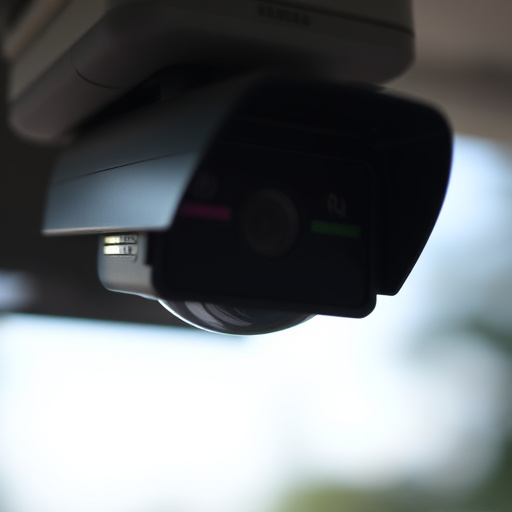
Advanced invisible IR cameras for home monitoring offer unprecedented security by detecting heat signatures and subtle environmental changes. Discreet placement techniques, such as hiding behind one-way mirrors or within everyday objects like light switches, ensure aesthetic appeal while enhancing safety. However, ethical considerations and legal frameworks must be navigated to balance enhanced security with privacy protections, especially regarding the handling of sensitive data captured by these innovative devices.
“Unveiling the art of stealthy surveillance, this comprehensive guide explores advanced techniques in camouflage for invisible IR cameras. As technology evolves, so does the need for discreet home monitoring. We delve into cutting-edge materials and placement strategies that enable undetected observation. From understanding the ethical landscape to navigating legal frameworks, this article offers a detailed look at enhancing privacy while addressing societal concerns. Discover how creative camouflage can provide peace of mind without compromising security.”
- Understanding Advanced Surveillance Technology
- Camouflaging Invisible IR Cameras: Materials and Techniques
- Creative Placement for Discreet Home Monitoring
- Ethical Considerations and Legal Frameworks
Understanding Advanced Surveillance Technology
Surveillance technology has evolved dramatically, incorporating advanced techniques that blur the line between what’s visible and what’s hidden. Today, professionals leverage sophisticated tools like invisible IR cameras for home monitoring, pushing the boundaries of traditional observation. These innovative devices operate beyond human perception, capturing thermal imagery that reveals heat signatures, making them ideal for discreet and effective surveillance.
By integrating such technologies, security measures become more nuanced and comprehensive. Invisible IR cameras offer unprecedented levels of detail, allowing for the detection of subtle changes in environments, from unusual temperature fluctuations to unexpected movement patterns. This advanced surveillance equipment transforms spaces into intelligible landscapes, where every element is meticulously observed and recorded, enhancing overall safety and security.
Camouflaging Invisible IR Cameras: Materials and Techniques
In the realm of home monitoring, advancing technology has introduced invisible IR cameras as a discreet yet powerful surveillance tool. To effectively camouflage these devices, special consideration must be given to materials and techniques that blend them seamlessly into their surroundings. One proven method involves the use of high-quality, realistic-looking decors and textures that mimic natural elements. For instance, fake rocks or tree trunks can provide an ideal cover for outdoor cameras, while adhesive-backed panels designed to look like wall art or peeling paint can be used indoors.
These camouflage materials are often treated with special coatings that reduce their heat signature, making them less detectable by infrared sensors. Additionally, advanced techniques such as integrating the camera within a power outlet or light fixture, or mounting it behind a one-way mirror, offer creative ways to conceal its presence. By combining these strategies, users can enhance the security of their homes while maintaining an aesthetically pleasing environment, ensuring optimal Invisible IR Camera Home Monitoring without compromising on discretion.
Creative Placement for Discreet Home Monitoring
In the realm of home surveillance, creative placement is key to achieving discreet monitoring without compromising aesthetics or privacy. One advanced technique involves integrating Invisible IR Camera technology into everyday objects, making it nearly impossible for intruders to detect. These cameras can be strategically positioned in places like light switches, smoke detectors, or even artificial plants, leveraging their natural camouflage to blend seamlessly into the environment.
By taking advantage of these innovative placement methods, homeowners can enjoy peace of mind without inviting unwanted attention. The home monitoring system becomes an invisible guardian, capturing high-resolution footage and infrared imagery that helps identify potential threats while maintaining a subtle and elegant presence within the residence.
Ethical Considerations and Legal Frameworks
In the realm of surveillance equipment, advancements in camouflage techniques raise important ethical considerations and legal frameworks that must be addressed. As technology evolves, invisible IR cameras for home monitoring become more accessible, sparking debates about privacy and consent. The use of such devices, capable of capturing images in complete darkness, demands a nuanced understanding of legal boundaries to ensure responsible deployment.
While the benefits of enhanced security through advanced surveillance are undeniable, it’s crucial to navigate these technologies within the confines of ethical standards and applicable laws. This includes obtaining proper authorization, informing individuals under observation, and respecting the privacy rights of citizens. Failure to adhere to these guidelines can lead to serious legal repercussions and societal backlash, especially with the growing awareness and concern over personal data protection.
In an era where technology advances at a rapid pace, mastering camouflage techniques for surveillance equipment is crucial for maintaining privacy while ensuring effective home monitoring. The invisible IR camera, particularly adept at night vision, requires innovative materials and strategic placement to remain undetected. While these advanced techniques offer enhanced security, it’s essential to navigate ethical boundaries and adhere to legal frameworks to preserve civil liberties in the digital age. Balancing technology and responsibility is key to creating a secure home environment without compromising personal privacy.